Inspiring Seniors to Engage in Regular Exercise Through Inclusive Fitness Guidelines
Wiki Article
Staying active is important for adults of every age group, but it grows especially important as individuals mature. For older adults, regular physical activity helps preserving autonomy, supports flexibility, and boosts overall well-being. Well-rounded fitness plans deliver seniors with structured approaches to wellness that cover coordination, range of motion, power, and resilience. By adhering to well-designed fitness programs, seniors can elevate their well-being while reducing the likelihood of falls, health conditions, and cognitive decline.
Physical fitness for aging individuals is not restricted to strenuous training sessions or heavy exercise regimens. It focuses instead on low-impact, gradual, and ongoing physical engagement that matches personal ability levels. Routines such as walking, stretching, chair yoga, and bodyweight exercises aid in preserving limberness and muscle tone. Aerobic workouts like aqua aerobics or indoor biking enhance circulation, which are key for supporting stamina and performance. These types of exercise also promote mental function, as findings have shown that regular exercise can boost memory, outlook, and mental performance.
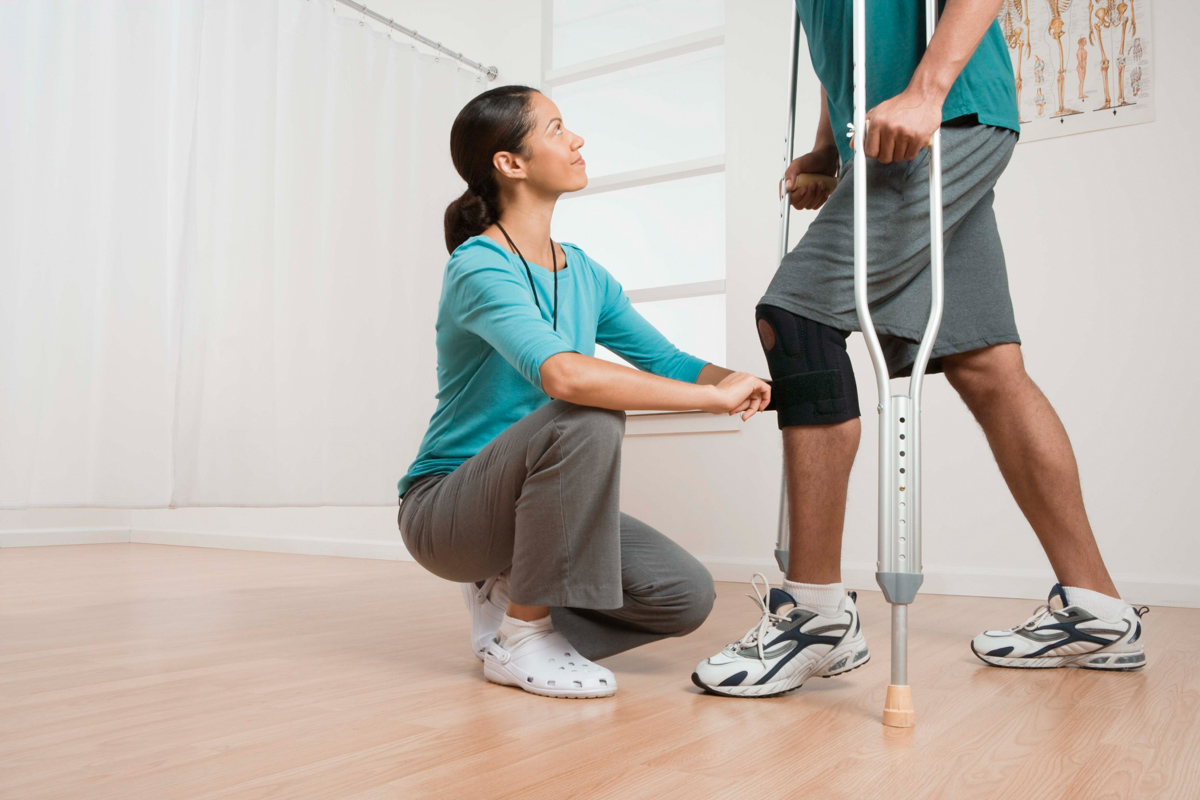
Thorough exercise guidelines highlight a integrated method to health, integrating physical, mental, and interpersonal aspects check it out of health. Older adults are guided to start gradually and advance at a comfortable pace, ensuring security while reducing strain. Incorporating pre- and post-exercise stretches minimizes injury, while adequate fluid intake and meal balance complement exercise routines. Additionally, community-based programs—such as group fitness classes or organized group walks—create opportunities for peer support, encouragement, and mental connection, which are equally important to total wellness.
Professional guidance serves a important role in assisting aging individuals build tailored exercise plans. Consulting healthcare providers, rehabilitation specialists, or exercise professionals guarantees that programs are adapted to individual needs, endurance, and goals. These experts can suggest appropriate exercise more info here formats that address issues such as arthritis, osteoporosis, or heart health concerns. Through ongoing assessment and refinement, training programs continue to be effective and motivating, promoting lasting engagement and success.
Ultimately, empowering seniors to adopt exercise through inclusive training recommendations creates a mindset of healthy living. When seniors are equipped with knowledge, confidence, and organized systems, they develop assurance in their strength and appreciate greater freedom. Sustained fitness improves not only muscle capacity but also focus and well-being. By promoting accessible, professionally structured exercise plans, societies can ensure that all participants has the chance to enjoy a active, vibrant, and meaningful life.